Air Fryer vs Microwave: Which Should You Use? (October 2026)
Choose an air fryer for crisp edges and a microwave for quick reheating. In the air fryer vs microwave choice, match the appliance to the food you cook most and the space you have.
On this page (9 sections)
- Air fryer vs microwave: which should you choose?
- What does each appliance do best?
- Which one reheats leftovers better?
- Which cooks frozen food better?
- How much counter space and setup do they need?
- Is an air fryer faster than a microwave?
- Which appliance is easier to clean and care for?
- What mistakes should you avoid?
- Which appliance should you buy for your kitchen?
Use an air fryer for crisp edges and a microwave for fast reheating. In the air fryer vs microwave decision, texture is often the clearest guide: an air fryer circulates hot air around food, while a microwave is convenient for heating food quickly.
Fries, breaded foods and roasted vegetables can benefit from the air fryer’s dry heat. Soup, drinks, rice and many leftovers are common microwave jobs because they need heat more than a browned surface.
The air fryer vs oven comparison explains how an air fryer fits alongside another hot-air appliance. This guide focuses on the practical choice between crisping and quick heating, including setup, cleanup and the kinds of kitchens each appliance suits.

Air fryer vs microwave: which should you choose?
Choose an air fryer for browning and crispness; choose a microwave for quick, convenient heating. Your usual meals and available counter space matter more than a feature list.
An air fryer has a basket where hot air moves around the food. A microwave heats food without producing the same dry, browned surface, so leftovers may stay soft even when they are hot.
If you mainly make frozen snacks, roasted sides or foods with a crisp coating, an air fryer is likely to earn its space. If you mostly warm single portions, drinks and leftovers, a microwave is the more practical everyday tool.
Some households use both because their jobs differ. You can warm rice or soup in a microwave and crisp fries or breaded food in an air fryer, but you only need the extra appliance if those separate tasks come up often enough.
What does each appliance do best?
An air fryer is strongest at crisping small batches, while a microwave is strongest at reheating and defrosting. Start with the texture and portion size you need most.
When does an air fryer make more sense?
An air fryer suits foods you want browned on the outside. Fries, chicken tenders and some vegetables are common examples, though portion size, recipe and settings all affect the result.
Air fryers make sense for people who cook these foods often and can leave room for the appliance and its basket. They are a weaker fit if your main jobs are heating drinks, soup or one bowl of leftovers.
Basket space affects how you cook. Food needs room for air to move around it, so a large portion may need to be split into batches instead of piled in.
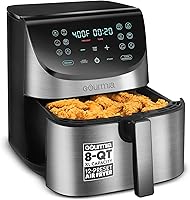
For a wide, deep basket and adjustable heat, the Cosori TurboBlaze 6 Qt has a square 6-quart basket, five fan speeds and a temperature range from 90°F to 450°F. {{product B0C33CHG99 | Its roomy basket and adjustable settings suit cooks who want to crisp or roast a range of foods.}}
The Chefman 6 Qt Compact has four preset functions and a narrow design. {{product B0CNY1YVDD | Its 450°F Hi-Fry setting raises the heat for the final 2 minutes when you want an extra-crisp finish.}}
Read how an air fryer works for more on hot-air cooking. If you choose one, how to use an air fryer for the first time covers the first setup and basic cooking steps.
When does a microwave make more sense?
A microwave suits people who often heat food quickly, defrost ingredients or warm liquids. It can heat a single portion without waiting for a basket-style appliance to cook.
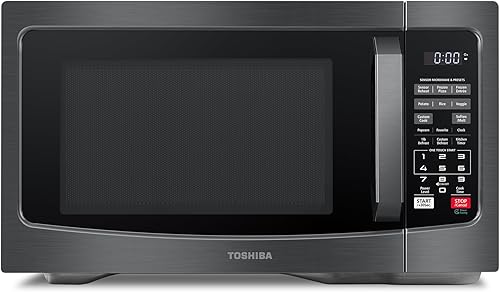
The Toshiba 1.2 Cu Ft Microwave has 1000 watts of output power, 10 power levels and defrost options by weight or time. Its humidity sensor adjusts cooking time and power based on food humidity, and its presets and one-touch start help with routine heating.
Its 1.2-cubic-foot interior includes a 12.4-inch turntable. Before buying a countertop microwave, measure the space where it will sit and check that your regular plates and bowls fit.
A microwave is a poor choice when your priority is restoring a crisp coating. It can still be useful in a kitchen with an air fryer, since one appliance heats moist foods while the other handles foods that benefit from browning.
For safe reheating, follow food instructions and stir or rotate where appropriate. The FDA’s microwave oven safety guidance covers basic precautions.
Which one reheats leftovers better?
Use a microwave for fast, moist reheating and an air fryer for leftovers that should regain a crisp surface. Choose by the way you want the food to feel when you eat it.
A microwave can warm leftovers in a bowl or on a plate with little setup. Covering food can help retain moisture, but use microwave-safe cookware and follow the food’s reheating directions.
An air fryer can bring crispness back to fries or breaded food. Arrange pieces in a single layer where possible, then check them as they warm so the edges do not dry out.
For a meal with different textures, separate the components. A microwave can warm rice or vegetables while an air fryer crisps the breaded part, if you have both.
Which cooks frozen food better?
Use an air fryer when crispness matters, and a microwave when the package directs you to use one or speed comes first. Frozen foods vary, so follow the package instructions for the specific item.
Frozen fries and similar foods often benefit from hot air that browns the outside. Avoid crowding the basket, since a pile can block airflow and leave some pieces less crisp.
A microwave can be convenient for frozen vegetables and some prepared meals. It will not usually produce a crisp exterior, and thick foods may heat unevenly.
Check the center before serving, especially with thick or filled foods. Follow package instructions and use a food thermometer when those directions call for checking the internal temperature.
How much counter space and setup do they need?
A microwave needs a clear countertop footprint, while an air fryer needs room for the unit and its basket to move. Measure your actual work area before choosing either one.
The Toshiba measures 20.6 in wide, 14.6 in deep and 11.8 in high. The Cosori is 14.4 in deep, 11.8 in wide and 11.9 in high, including its handle.
Those dimensions do not include all the working room you may need. An air fryer basket must slide out, and the appliance needs the clearance stated in its manual; a microwave door also needs room to open.
The Chefman is 14.88 in deep, 11.1 in wide and 11 in high. Its narrow shape may suit a tight counter, but leave room to remove the basket and handle hot food safely.
Before setting up either appliance, choose a stable, level spot and keep the vents clear. Check the manual for clearance and electrical guidance, and avoid placing the appliance where its door, basket or hot surfaces will block your normal work area.
A microwave may be awkward if your counter is shallow or your dishes are wider than its turntable. An air fryer may be awkward if you lack space to pull the basket out or set it down while loading and serving.
Is an air fryer faster than a microwave?
A microwave is usually more convenient for a short reheat, while an air fryer needs time to crisp and brown food. Cooking time depends on the food, portion size and appliance settings.
For soup or one portion of leftovers, the microwave avoids waiting for an air fryer basket to cook. For fries or breaded leftovers, a longer air-fryer warm-up may be worthwhile if crispness is the point.
Air fryer controls also affect setup. The Cosori has a customizable preheat function that can be skipped, while the Chefman has presets and a shake reminder.
Compare the foods you make most often instead of expecting one time estimate to apply to every meal. Do you need to preheat an air fryer? explains when preheating can help.
Which appliance is easier to clean and care for?
An air fryer basket usually needs washing after cooking, while a microwave often needs wiping after spills and splatters. Removable parts and steady cleanup habits make both easier to maintain.
The Cosori basket and crisper plate are dishwasher safe. The Chefman basket and rack are dishwasher safe as well, which can simplify cleanup after crumbly or oily foods.
Let hot parts cool before cleaning and follow the manual’s care instructions. Avoid harsh scrubbing that could damage a nonstick surface, and make sure removable pieces are dry before returning them.
For a microwave, wipe spills when they happen and clean the interior and turntable according to the manual. Prompt cleanup is especially useful after foods bubble or splatter.
See how to clean an air fryer basket and inside for more care steps. Removing crumbs and spills before they build up makes routine cleanup easier.
What mistakes should you avoid?
Avoid crowding an air fryer basket, using the wrong cookware in a microwave and choosing by capacity alone. A little planning helps each appliance work as intended.
- Do not pile food into the air fryer basket. A crowded layer blocks airflow, so cook in batches when needed.
- Do not assume an air fryer replaces a microwave. It is less convenient for drinks, soup and quick moist reheating.
- Do not expect a microwave to crisp fries. It can warm them, but the surface usually remains soft.
- Do not skip package directions for frozen foods. Cooking time and method vary by food.
- Do not buy before measuring. Check the appliance footprint, basket or door clearance, and the size of the dishes you plan to use.
- Do not ignore cleanup. Crumbs and splatters are easier to remove soon after cooking than after they build up.
Which appliance should you buy for your kitchen?
Pick the air fryer if you regularly want crisp, browned food; pick the microwave if speed, defrosting and moist reheating are your daily needs. Choose both only when you have space and use cases for both.
The Cosori suits buyers who want a roomy square basket, adjustable temperature and multiple fan speeds for crisping or roasting. The Chefman suits buyers who want an air fryer in a narrow shape with preset controls and a high-heat finish.
The Toshiba suits buyers who need sensor-assisted reheating, defrosting and several power levels. It is the more useful choice for a kitchen where the usual tasks are warming food and liquids rather than browning them.
Skip an air fryer if you rarely cook foods that benefit from crisping, or if you cannot make room for the appliance and an open basket. Skip a microwave if you mainly want browning and crunch and already have another practical way to heat drinks, soup and leftovers.
For related cooking choices, compare air fryer vs Instant Pot or halogen oven vs air fryer. In the air fryer vs microwave choice, let your most common meal decide: crisp food points to an air fryer, while quick reheating points to a microwave.
Frequently asked questions
Is an air fryer better than a microwave?
An air fryer is better for crisping foods such as fries, while a microwave is better for quickly reheating soup, leftovers and other moist foods. Neither replaces the other for every task.
Choose based on the texture you want most often, and consider keeping both if you cook a broad mix of meals.
Can you reheat food in an air fryer?
Yes, an air fryer can reheat foods that benefit from a crisp surface, such as fries or breaded leftovers. Spread food in the basket and check it as it warms, since portions and appliances differ.
For soup, sauces and other liquids, a microwave is usually a more convenient fit.
Can a microwave make food crispy?
A microwave can warm food quickly, but it usually won't recreate the crisp surface an air fryer produces. If you want both a hot center and crisp edges, heat the food in the microwave first, then finish it in an air fryer when the food and recipe allow.
Which appliance is better for frozen food?
Use an air fryer when you want frozen fries, tenders or similar foods to brown and crisp. Use a microwave when the package gives microwave directions or when speed matters more than crispness.
Follow the package directions, and check that the center is hot before serving.
Should you buy an air fryer if you already have a microwave?
An air fryer can add a useful cooking option if you often make foods that taste better with crisp edges. It won't make a microwave redundant for drinks, soup, quick reheating or defrosting.
Check your counter space and cooking habits before adding another appliance.