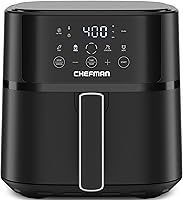
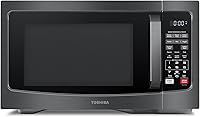
Are Air Fryers Healthier Than Microwaves?
Are air fryers healthier than microwaves? Not automatically. An air fryer makes crispy food with little oil, while a microwave heats fast with no added fat. The healthier choice depends on what you cook and how much oil you use.
On this page (9 sections)
- How does an air fryer cook food compared with a microwave?
- Do air fryers use less oil, and does that matter?
- Does microwaving destroy nutrients?
- Which appliance adds less fat to everyday meals?
- Are there downsides to either method?
- How do the speeds compare for real meals?
- Which appliance suits crispy food and which suits reheating?
- Where does a halogen oven fit in?
- So are air fryers healthier than microwaves?
Are air fryers healthier than microwaves? Not automatically.
An air fryer makes crispy food with little oil, while a microwave heats fast with no added fat. The healthier choice depends on what you cook and how much oil you use.
The two cook in completely different ways, and each has a real health edge in the right situation.
How does an air fryer cook food compared with a microwave?
An air fryer circulates hot air around food at high speed, browning the outside. A microwave heats water molecules inside the food with electromagnetic waves and never browns anything.
The air fryer sits closer to a convection oven. The Cosori TurboBlaze runs a 3600 rpm fan with heat up to 450°F, so food crisps and colors.
Its five fan speeds and 90° to 450°F range let you match airflow to the food, from gentle drying to a hard roast.
A microwave heats fast but leaves surfaces soft and pale. The Toshiba model heats with electromagnetic radiation and offers 10 power levels, but none of them create a crust.
That's why a microwaved chicken wing tastes steamed while an air-fried one tastes fried. Crispy food usually means fried food, and frying usually means oil.
An air fryer gets crunch without a pot of fat. A microwave doesn't need fat at all, but it also can't replace a fryer for foods that should be crisp.
Do air fryers use less oil, and does that matter?
Yes, and it's the biggest health advantage an air fryer has. Cosori says its air fryer produces crispy fries with up to 95% less oil than deep frying, with fat content analyzed by SGS lab.
Less oil means fewer calories and less saturated fat per serving. A tablespoon of oil in an air fryer basket replaces the cup or more a deep fryer needs.
The Instant Pot Vortex Plus makes the same claim through its EvenCrisp technology, so the oil saving isn't unique to one brand.
The gap narrows if you douse finished food in oil or butter. It also shrinks if your microwave meals are already low in fat, since reheating adds nothing.
Our guide to whether air fryers are healthier than deep frying covers the oil math in detail. The health win comes from what the appliance replaces.
An air fryer only helps if it takes the place of a deep fryer or a takeout order. If you already eat baked chicken and steamed vegetables, adding an air fryer changes little.
Does microwaving destroy nutrients?
No, and it can preserve some vitamins better than other methods. Microwaving is fast and uses little water, so water-soluble vitamins like C and B are less likely to leach out.
Boiling vegetables in a pot of water loses more nutrients than a quick microwave steam. Air frying also holds up well because cook times are short and food isn't submerged.
The Cosori's 5-fan system moves heat fast enough that foods finish in minutes rather than half an hour.
The bigger nutrient risk comes from overcooking. A limp, gray vegetable loses more than a properly steamed or roasted one, whatever the appliance.
The Toshiba's humidity sensor addresses that for reheating by adjusting time and power to the food. An air fryer asks you to watch and stop when browning looks right.
Browning creates flavor compounds through the Maillard reaction, and that reaction changes some nutrients but doesn't wipe them out. A roasted carrot loses a little vitamin C to heat but gains flavor that keeps people eating vegetables, which matters more for a diet than a small loss on paper.
Why cook time matters more than the appliance
A short cook time protects nutrients, and both appliances deliver it. A microwave steams broccoli in about 3 minutes.
An air fryer roasts the same florets in around 10 to 12 minutes. The microwave is quicker, but the air fryer's result is dry and browned rather than wet.
That's a texture difference, not a health difference. What tips the scale is how the vegetable ends up tasting, because a vegetable people actually finish is worth more than one abandoned on the plate.
Which appliance adds less fat to everyday meals?
The microwave wins when you're reheating, and the air fryer wins when you're cooking from scratch. Reheating in a microwave needs no oil at all.
Cooking crispy food in an air fryer needs very little. So the answer flips with the meal.
If your diet leans on frozen dinners and leftovers, the microwave keeps fat low. If you crave fries, wings and roasted vegetables, the air fryer replaces the deep fryer.
Neither appliance is a health shortcut on its own. A microwaved pastry and air-fried chicken nuggets are both processed food, regardless of the machine.
The appliance that helps is the one you'll use on a tired evening. Reheat a bowl of soup in the microwave and you add nothing.
Cook chicken wings in the air fryer and you use a light spray instead of a vat of oil. Both beat driving to a fry shop.
Are there downsides to either method?
Yes, and they're different downsides. Air fryers take longer, usually 10 to 20 minutes, and can dry out lean foods that need moisture.
Microwaves heat unevenly and leave food soggy. Air frying also means more cleanup, though dishwasher-safe parts help.
The Cosori's ceramic-coated basket and crisper plate are dishwasher-safe, and the coating is PFAS-free. That matters for people trying to avoid certain nonstick chemicals in cookware.
The Instant Pot Vortex Plus takes a different route, with a stainless steel interior and a dishwasher-safe basket.
Microwave safety is mostly about containers. Use microwave-safe dishes, since some plastics can leach chemicals when heated.
Neither appliance is risky when used as directed.
An air fryer basket packed too full blocks airflow and cooks unevenly, so batches stay small. A microwave needs food spread in a shallow layer to heat through without cold spots.
How do the speeds compare for real meals?
The microwave is much faster for reheating, but the air fryer is faster than a full oven. A plate of leftovers warms in 2 to 3 minutes in a microwave.
The same plate takes 8 to 12 minutes in an air fryer. That time gap matters for how often you actually cook, and cooking at home usually beats takeout on nutrition.
The Toshiba's one-touch start runs from 1 to 6 minutes at full power, which covers most reheat jobs without a second thought.
For a small household, an air fryer also heats up faster than a wall oven. The Cosori preheat function adjusts time to the set temperature, and you can skip preheating as the default if speed matters more than a hot start.
Our comparison of air fryer vs oven covers batch size and energy use.
Quick picks for each cooking job
Which appliance suits crispy food and which suits reheating?
Buy an air fryer for crispiness, browning and roasted food. Buy a microwave for reheating, defrosting and speed.
Most kitchens end up with both, and that's the practical answer.
An air fryer suits anyone replacing fried food with a lighter version. It roasts vegetables, reheats pizza and makes wings without a pot of oil.
The trade-off is time and counter space. A 6-quart model like the Cosori or the Vortex Plus holds enough for a family meal while keeping a square footprint that fits under a cabinet.
A microwave suits quick lunches and leftovers. It defrosts by weight and reheats without added fat.
It won't crisp anything, and that's fine for soup or a bowl of rice. The Toshiba's sensor cooking handles the timing on popular foods without guesswork.
Our air fryer vs microwave comparison breaks down the daily trade-offs.
Where does a halogen oven fit in?
A halogen oven is a third option that sits between the two. It uses a halogen bulb and a fan to roast and crisp, with a glass bowl that lets you watch food cook.
It works like a small convection oven and holds more than most air fryers. It's slower than a microwave but faster than a full oven for small batches.
The health profile is close to an air fryer, since both cook with hot air and little oil. Compare the two in our halogen oven vs air fryer guide if you're weighing countertop roasters.
So are air fryers healthier than microwaves?
The honest answer to are air fryers healthier than microwaves is: it depends on the meal. For fried food and roasted vegetables, an air fryer cuts oil and calories sharply.
For reheating and defrosting, a microwave adds no fat and saves time. Pick an air fryer if you want crunch without deep frying and don't mind 10 to 20 minutes of cooking.
Pick a microwave if fast reheating is your main need. If you can fit both, you get the best of each without the compromise.
Whichever you choose, the health gains come from what you put in it. Fresh ingredients, modest oil and sensible portions do more than any appliance.
For the oil side, see are air fryers healthier than deep frying.
Frequently asked questions
Does air frying destroy more nutrients than microwaving?
Both methods are gentler than deep frying. Microwaving is fast and uses little water, which can preserve water-soluble vitamins.
Air frying adds browning, and shorter cook times at moderate heat help limit nutrient loss.
Can I reheat leftovers in an air fryer?
Yes. An air fryer brings back crunch on fries, pizza and fried chicken that a microwave leaves soggy.
Reheating takes longer than a microwave, so use it when texture matters more than speed.
Do I need oil to cook in an air fryer?
No. Many foods crisp in their own fat, and a light spray is enough for coatings.
A tablespoon or less often does what a cup of oil would in a deep fryer, which is where the health gap comes from.
Which one is cheaper to run?
A microwave is usually cheaper per session because it cooks for minutes rather than 15 to 20 minutes. An air fryer draws more power for longer, so it costs more per meal but replaces the oven for small batches.